— Application Areas
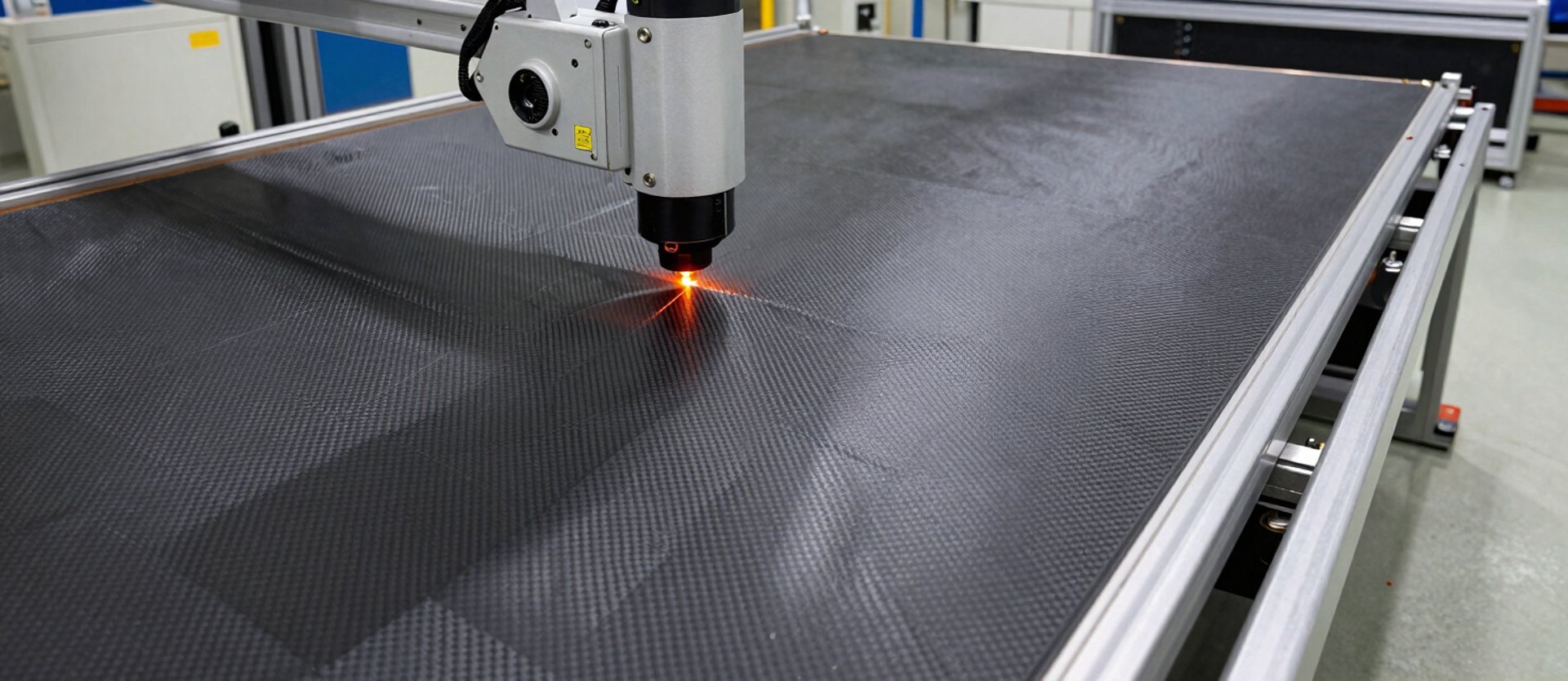
Laser Shearography Across Composite and Bonded Structures
From aerospace skins to racing yacht hulls, ACS configures inspection protocols matched to your structure, defect type and production environment, not a generic system deployment.


Sector-Specific Inspection Experience
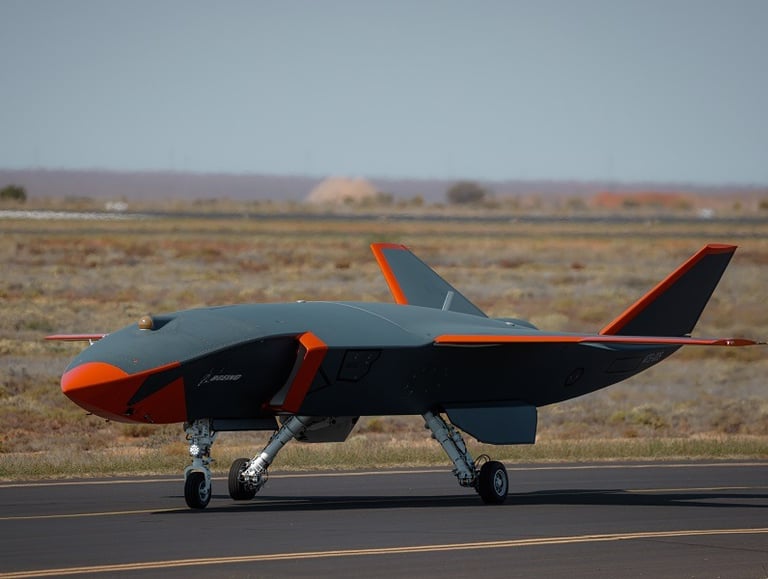
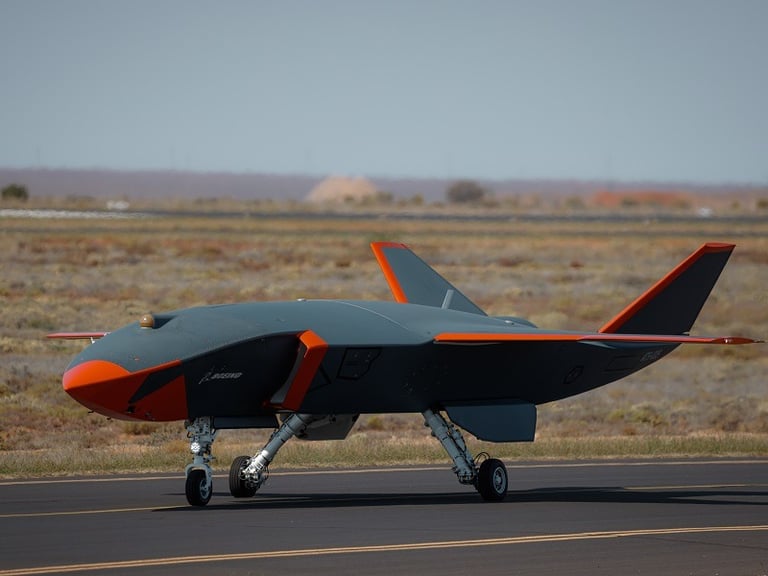
Aerospace / Drones
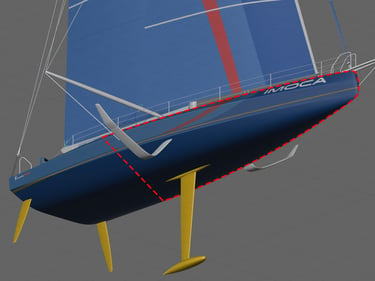
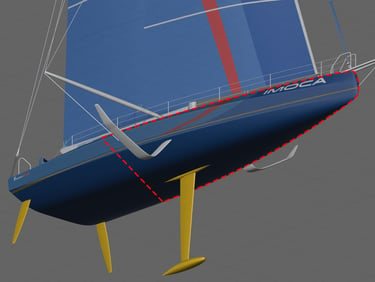
Marine and Yacht
Defence Structures
Sporting Goods
Full-field, non-contact inspection of composite skins, control surfaces, fairings and bonded repairs. Suitable for detecting delamination, disbonding, impact damage and local stiffness changes under controlled loading.
Inspection of carbon fibre hulls, masts, foils and bonded structures where hidden delamination, core-to-skin separation or impact damage can affect performance and structural integrity.
Assessment of bonded panels, composite structures, repairs and lightweight assemblies where repeatable, non-contact inspection is required without damaging serviceable components.
Inspection of carbon fibre frames, handlebars, tubes, tanks and high-performance sporting components for production defects, impact damage, disbonds and internal structural flaws.
Defects That Respond Under Load
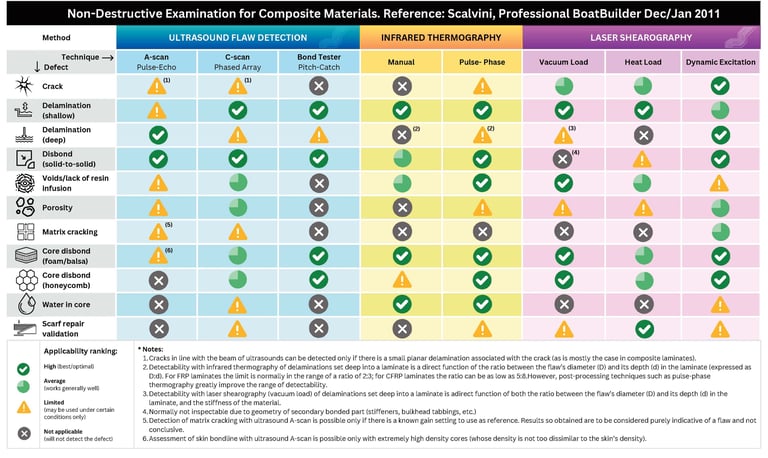
Shearography detects defects by measuring how a structure deforms when it is loaded. The table shows why the loading method matters: vacuum, heat and dynamic excitation can reveal different defect types depending on the material, geometry and defect depth.
It is strongest where a flaw creates a local stiffness change or deformation response, such as delamination, disbonding, impact damage, voids, core-to-skin separation and bonded repair defects.
Not every defect responds the same way.
Delamination — Disbonding — Impact damage — Voids — Core-to-skin separation — Repair defects — Kissing Bonds
Test Your Application Before Committing
ACS offers structured feasibility trials on representative samples. Bring your component, we design the loading method, run the inspection and document what shearography can and cannot resolve for your structure.